
There’s a reason flour and sugar are the two ingredients that quietly ruin your kitchen setup — and it’s usually not obvious until it’s already happening.
You don’t notice it on day one. Everything looks fine sitting in those original bags. But give it a little time, especially in a slightly humid kitchen, and things start to change. Flour doesn’t fall through your scoop the same way. Sugar stops pouring cleanly. It sticks, clumps, and slows you down in ways that feel small — until you deal with it every single day.
That’s usually the point where people start looking for the best containers for flour and sugar storage — not just a way to reorganize their pantry.
The weird part is, most people try to fix this by reorganizing their pantry instead of fixing how these ingredients are actually stored.
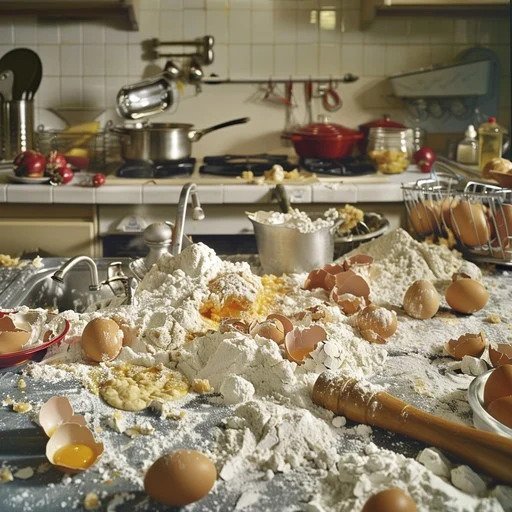
If your cabinet looks even slightly like this — bags folded over, pushed to the side, taking up more space than they should — then the problem isn’t space. It’s control.
Because once flour and sugar are out of their original packaging and inside the right kind of container, everything changes in a way that’s hard to go back from. Instead of dealing with awkward bags that shift around and leak air, you’re working with something stable, sealed, and predictable – especial when using kitchen storage containers for small spaces that are designed to keep everything organized and easy to manage.
In fact, what used to take up almost an entire shelf can often be reduced to just a small, clean section — while keeping the ingredients in better condition at the same time.
That’s why choosing the best containers for flour and sugar storage ends up being less about organizing — and more about removing those small daily frustrations.
If you’ve ever used cereal storage containers, you’ll notice something interesting — not everything behaves the same way once it’s exposed to air and moisture.
So instead of listing random containers, this guide focuses on what actually works in real kitchens — especially when space is limited, humidity is a factor, and convenience matters just as much as storage.
Why Flour and Sugar Storage Fails (Even When Your Kitchen Looks Organized)
At first glance, most kitchens don’t look like they have a storage problem. Everything seems fine — bags folded, shelves still have space, nothing looks too messy.
That’s exactly why this issue gets ignored.
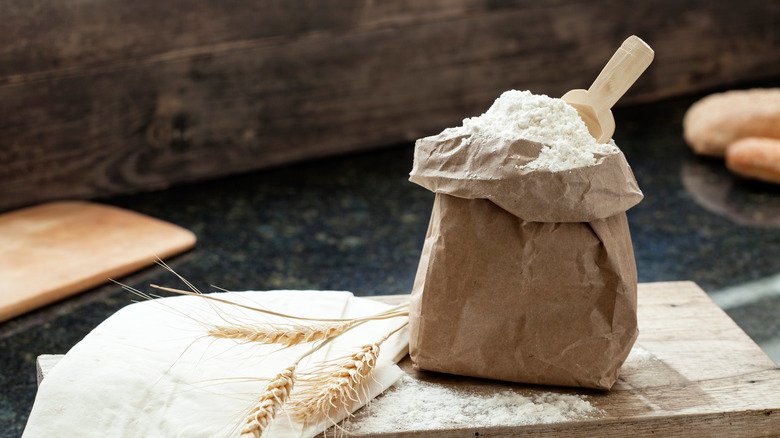
Because with flour and sugar, the problem isn’t what you see — it’s what slowly builds up over time.
A folded bag isn’t really sealed. Air still gets in. Moisture starts to accumulate. Flour loses that light, powdery texture and turns slightly dense. Sugar goes the opposite way — it hardens, sticks together, and stops pouring cleanly, which is a common issue explained in food storage guidelines.
It doesn’t happen overnight, which makes it easy to ignore. You just adjust to it without realizing the storage itself is the problem.
And even when people switch to containers, the result isn’t always better.
Some lids “click” but don’t actually seal. Others look airtight but still let humidity creep in after a few days. That’s why it often feels like you’ve already tried fixing this… and nothing really changed.
If you’ve looked into airtight containers for pantry, you’ll know the difference isn’t just the lid — it’s how well the container actually controls air and moisture over time.
And that’s where things start to shift — when storage stops being about “keeping things in place” and starts actually protecting what’s inside.
What Actually Matters in Flour and Sugar Storage
If you’ve ever tried scooping flour from a narrow container, you’ll know the problem immediately — the scoop doesn’t fit properly, flour spills over the edge, and the whole thing turns messy after just a few uses.
Or when a lid feels “closed” but after a week, the flour inside starts clumping again. At that point, it’s clear the issue wasn’t how you stored it — it was the container itself.
That’s why choosing the best containers for flour and sugar storage isn’t about finding something that looks organized. It’s about avoiding these small, repeated frustrations that show up every time you cook.
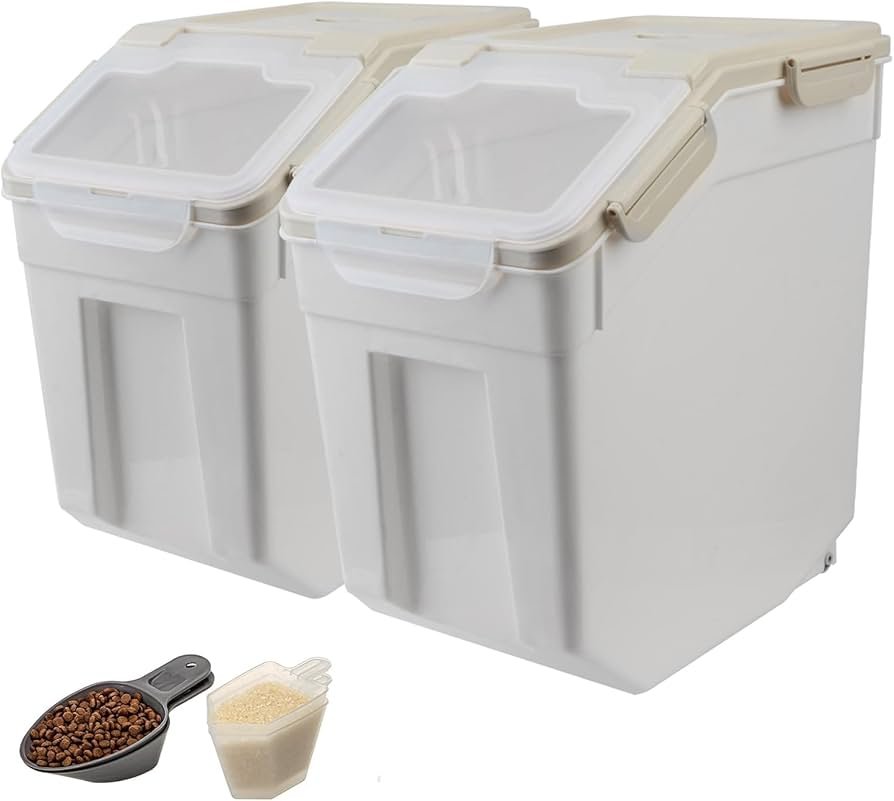
A container that actually works feels different right away. You don’t have to angle your scoop. You don’t have to tap it to level flour. And you’re not dealing with small spills every time you open it.
The lid seals properly, so you don’t have to think about moisture anymore. The opening is wide enough that scooping doesn’t turn into a chore. And the size fits your cabinet instead of forcing you to rearrange everything around it. It also needs to hold a full bag of flour or sugar without leaving awkward leftovers.
Once those things are right, you stop thinking about storage altogether — which is exactly what the next set of containers are built to do.
Instead of trying to fix this with guesswork, it helps to look at what actually works in real kitchens — especially when you’re dealing with different storage needs and limited space.
That’s where the right container starts to make a noticeable difference.
The 8 Best Containers for Flour and Sugar Storage (Real Use Cases)
1. Cambro Square Food Storage Container
Best for bulk flour storage (5–10kg)
If you usually buy flour in large bags, you’ll notice one thing pretty quickly — no matter how you fold the bag or rearrange your cabinet, it never really fits.
You either leave it lying sideways, taking up most of a shelf, or stand it up and risk it tipping over every time you move something else. And once the bag is opened, it’s basically impossible to keep air and moisture out completely.
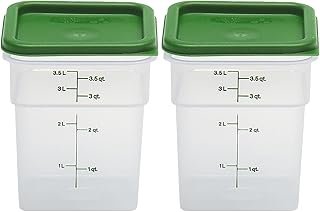
That’s where something like a Cambro container starts to make a lot more sense.
Instead of trying to manage a loose bag, everything goes into one solid, stable airtight container. The difference is noticeable almost immediately — flour stays loose, scoops cleanly, and doesn’t form those small clumps after a few days like it does in a half-sealed bag.
With a typical 5kg bag, what used to take up most of a shelf suddenly becomes one contained block that you can place in a corner or on the bottom level of your cabinet. It’s not necessarily smaller, but it’s far more controlled.
That said, this isn’t something you casually fit into a tight kitchen. If your cabinet space is limited or you’re only storing small amounts, it can feel oversized and a bit inconvenient to move around.
But if your main problem is dealing with bulk flour — especially keeping it dry over time — this solves it in a way smaller containers simply don’t.
This makes the most sense if you buy flour in large quantities and want a single, reliable place to store it. If you’re working with a smaller kitchen or only keep 1–2kg at a time, you’ll probably want something more compact.
→ Check current price and see if this size actually fits your storage setup.
2. Sistema Bake It Flour Container
Best for everyday baking in a small kitchen
If your kitchen isn’t the kind of space where you can leave large containers sitting out, then size starts becoming part of the problem. A lot of flour containers work fine in theory, but once you put them inside a real cabinet, they either waste vertical space, block other items, or feel awkward every time you pull them out.
That’s what makes the Sistema Bake It container easier to live with. It doesn’t try to solve bulk storage. It solves the much more common situation — keeping a normal amount of flour dry, easy to scoop, and simple to put back without turning one shelf into a dedicated flour zone.
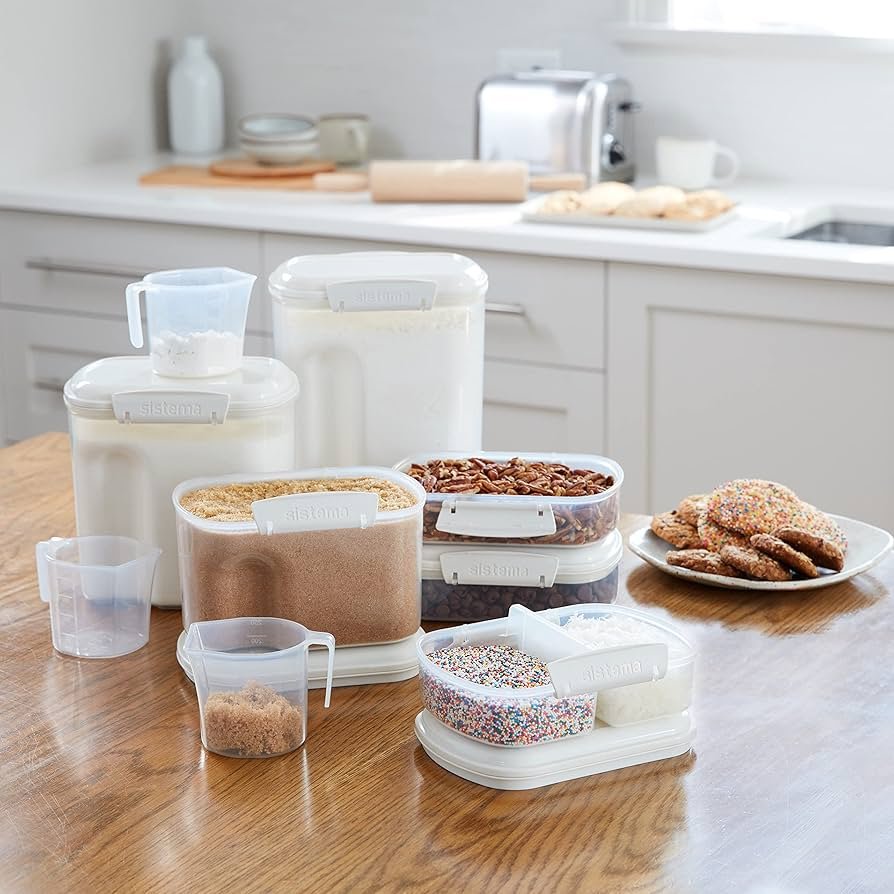
In daily use, this kind of container feels less intimidating than a heavy-duty option. The size is more manageable, the shape is easier to fit into a narrow cabinet, and it works well when you’re storing around 1–2kg instead of a large wholesale bag. That difference matters more than people think, especially when your pantry already has rice, pasta, cereal, and other dry goods competing for the same space.
And compared with loose bags, the improvement is immediate. Instead of a bag collapsing in on itself every time you scoop, the container stays stable, the opening is usable, and the lid gives you a clearer sense that the flour is actually sealed — not just folded over and “probably fine.” This is where a proper airtight flour container starts to feel noticeably different.
You don’t have to fight for space every time you put it back — which is exactly what makes it work in smaller kitchens.
The trade-off is capacity. If you buy flour in bulk, you’ll outgrow this quickly. But if your real goal is finding the best containers for flour and sugar storage for a smaller household, this makes much more sense than oversizing from the start.
This is a strong fit for people who bake regularly but don’t store huge amounts at once. If you buy large flour bags or want one container to handle both bulk storage and daily access, this will probably feel too limited.
If you’re trying to keep things simple without taking over your entire cabinet, this is usually where most people start.
→ Check current price and see if this size fits your cabinet.
3. Chef Craft Flour Container with Sifter
Best for people who bake often and want less mess
There’s a very specific type of frustration this solves: when you’re baking, already in the middle of measuring ingredients, and flour somehow still ends up on the counter, on the scoop, and around the container opening.
That usually happens because most storage containers are built to hold flour, not help you use it.
The Chef Craft container feels different because it’s designed around that moment of use. Instead of treating storage and baking as two separate steps, it makes the whole process feel a bit more direct.
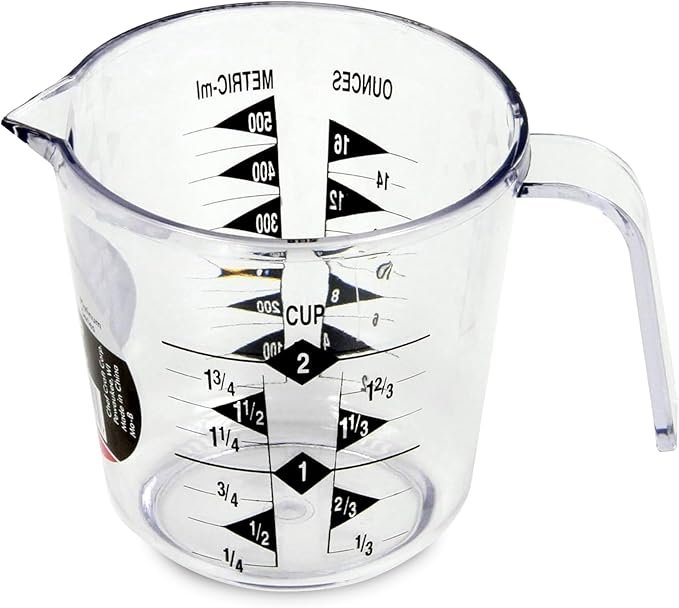
If you bake every week, the convenience here adds up quickly. You’re not reaching into a deep container, tapping excess flour off the scoop, or dealing with powder gathering around the rim after a few days. It’s a smaller thing on paper, but in practice it makes flour feel less annoying to work with.
That said, this only makes sense if usage matters more than capacity. It’s not the kind of container you buy to store a huge amount of flour long term, and it’s not really built for people who want a clean, stackable pantry system above everything else. In a tight cabinet, it also doesn’t always use space as efficiently as simpler rectangular options.
Still, if your current setup makes baking feel messier than it should, this is the kind of product that addresses the problem at the point where it actually happens.
Buy this if you bake frequently and care more about daily convenience than maximum capacity. Skip it if you mainly want long-term storage or a more efficient setup with stackable food storage containers for a small pantry.
→ See if this setup matches how you usually prep and bake.
4. Tiawudi Large Food Storage Containers
Best budget set for flour and sugar together
A lot of people don’t actually need the best premium container. They just need to stop using half-open paper bags and random mismatched boxes that make the pantry harder to deal with every week.
That’s the lane Tiawudi fits into.
Instead of overcomplicating storage, it gives you a more affordable way to move both flour and sugar into containers that feel consistent, easier to line up, and much less frustrating than the setup most people start with.
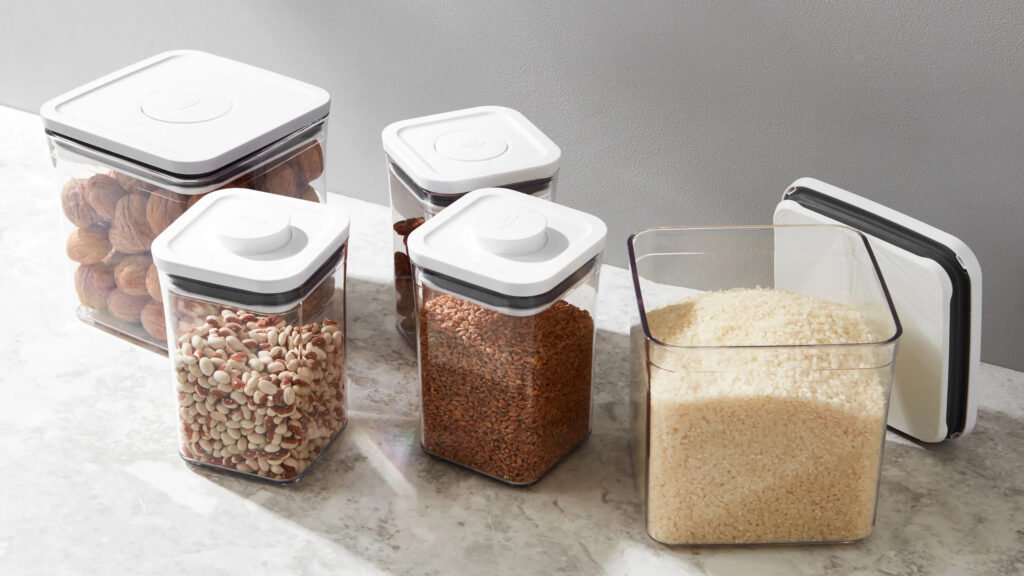
This kind of set works well when the real problem is not one ingredient, but the whole shelf. Flour is in one bag, sugar is in another, and every time you grab one thing, something else shifts or falls over. Once both ingredients are in similarly sized containers, the cabinet instantly feels calmer and easier to manage.
You also get a more practical day-to-day rhythm. The containers are lighter than heavy commercial models, easier to move, and simple enough for routine use. That matters if you’re cooking often and don’t want storage to feel like extra effort.
Of course, the trade-off is that budget sets rarely feel as airtight or as durable as better-built options. Over time, that difference becomes more noticeable in humid kitchens. So while this is a good step up from bags, it may not be the final answer if moisture is the main issue you’re trying to solve.
This makes sense if you want a low-cost upgrade for both flour and sugar and care about getting your shelf under control without spending too much. It’s less ideal if you want heavier-duty moisture proof container solutions for long-term storage.
→ Check current price if you’re upgrading from bags to a full set.
5. Sterilite Gasket Box
Best for humid kitchens and long-term storage
Some kitchens don’t just have a storage problem. They have an air problem.
If the room runs humid for most of the year, or your cabinets are close to heat and steam, even decent containers can start failing in subtle ways. Flour forms small clumps. Sugar doesn’t pour the same. And you’re left wondering whether the lid is actually doing anything.
That’s where a gasket-style box starts to feel different.
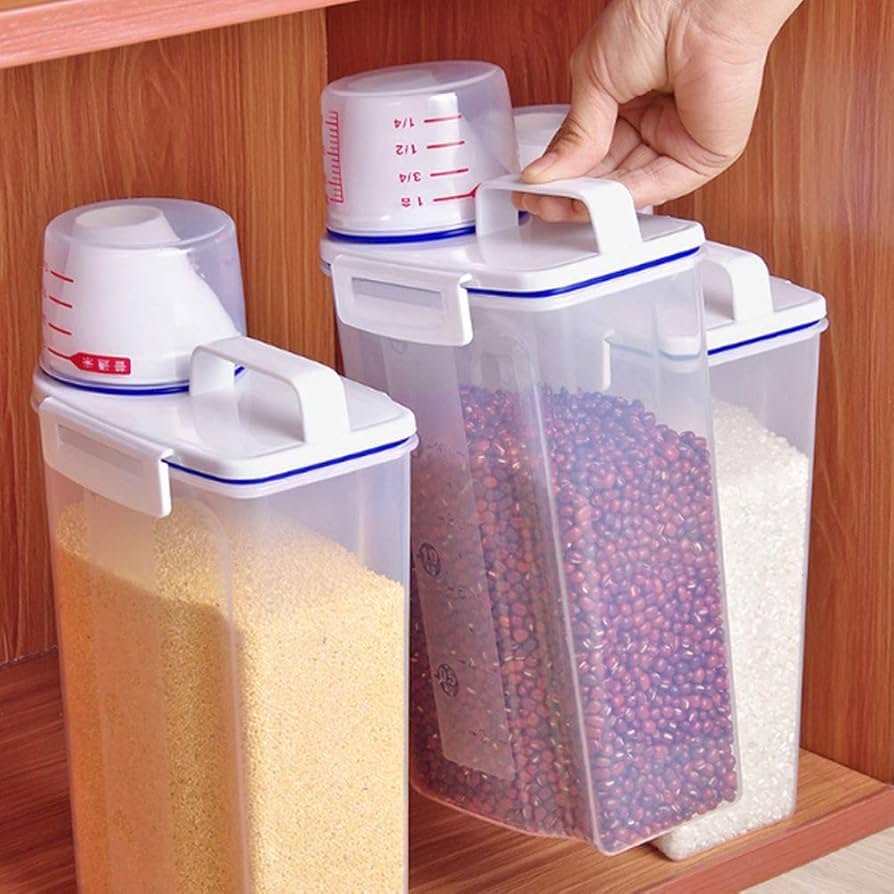
This type of container is less about aesthetics and more about creating a stronger barrier. Once closed, it gives you the kind of seal that feels more deliberate than a standard snap-on lid, which makes a real difference when humidity is the issue you’re fighting.
It’s especially useful if you don’t go through flour quickly. In that situation, the goal isn’t just convenience — it’s keeping ingredients stable over time so they’re still usable when you finally need them.
The downside is that it feels more like a storage bin than a daily-use container. It’s not always elegant to handle, and if you open it constantly, that bulkier design can become slightly annoying. But as a protection-first option, it does the job better than many prettier containers.
This is one of the better choices if moisture is the reason you started looking for the best containers for flour and sugar storage in the first place.
→ See how this performs if your kitchen tends to be humid.
6. Komax Extra Large Food Storage Container
Best balance between capacity and daily usability
Some containers are easy to use but too small. Others hold a lot but become awkward the moment you actually need them.
Komax sits somewhere in the middle, which is exactly why it works for so many households.
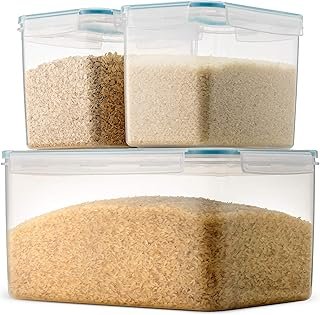
If you usually keep a decent amount of flour on hand but don’t want a giant commercial bin taking over your cabinet, this is the kind of size that feels much more realistic. It gives you enough room to avoid constant refilling, but still feels like something made for a home kitchen rather than a restaurant back room.
The locking system also helps it feel more secure in day-to-day use. That matters when you’re opening and closing it often. Instead of wondering whether the lid sealed properly, you get a clearer sense of closure — which is a small thing until you’ve dealt with flour going slightly stale or sugar picking up moisture again.
In a small kitchen, it’s still not tiny. You’ll need to think about shelf height and where it sits best. But compared with bulkier storage bins, it’s easier to live with, especially when you want one container to do both protection and convenience reasonably well.
→ Check current price and see if this size fits your daily cooking setup.
7. Rubbermaid Commercial Food Storage Container
Best for durability over aesthetics
Some people are tired of replacing pantry containers every year or two. Hinges loosen, lids stop sealing properly, corners crack, and eventually the whole thing starts feeling cheaper than it looked online.
If that sounds familiar, the appeal of a commercial container becomes obvious pretty quickly.
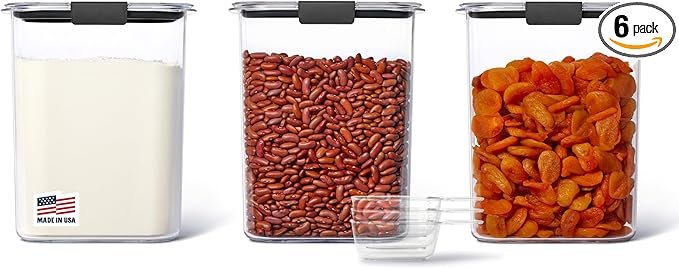
This type of container isn’t trying to win on looks. It wins by feeling like it can take repeated use without becoming fragile or unreliable. For flour and sugar, that matters more than it gets credit for. These are ingredients you keep opening, closing, lifting, and scooping from — so weak construction becomes annoying fast.
In practical use, this kind of durability changes the experience over time. You don’t handle it carefully. You don’t worry about whether the lid edge will loosen. You just use it, and that consistency becomes part of the value.
The trade-off is obvious: it doesn’t give you the polished pantry look people often want. And in a smaller kitchen, it can feel more functional than refined. But if you care more about reliability than matching containers or visual neatness, that trade starts making sense.
→ Check current price and decide if durability is worth it for your setup.
8. OXO Good Grips POP Container (Large)
Best for clean pantry setups and smaller quantities
Not everyone buying flour needs a heavy-duty solution. Sometimes the real issue is simpler: you’re storing a moderate amount, using it regularly, and you want something that feels easy every single time.
That’s where OXO still makes sense — even if it’s a familiar name.
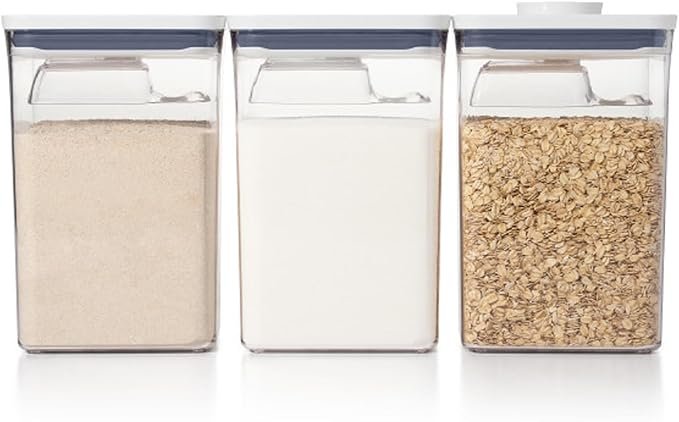
If your current setup involves folded bags sliding around the shelf, this feels like a clean reset. The container stands neatly, the opening is workable, and the one-touch style lid makes the whole experience feel less annoying than containers that require extra force or awkward locking.
There’s also a space advantage here, especially if you’re only storing 1–2kg at a time. Instead of one floppy bag taking up uneven space, you get a clean vertical shape that’s easier to line up with other pantry items. For people already using similar systems for dry goods, this makes flour feel less like the awkward exception.
If you’re comparing materials, this is also where some people end up choosing between clear plastic convenience and something heavier like glass food storage containers for a more premium feel.
The limitation is that this isn’t the strongest option for truly humid kitchens or long-term bulk storage. It’s better as a convenience-first choice than a maximum-protection one.
→ Check current price if you prefer a cleaner, easier-to-use pantry setup.
Quick Verdict: Which Type of Container Makes the Most Sense?
If your main problem is buying flour in bulk and never knowing where to put it, Cambro makes the strongest case. If your kitchen is smaller and you want something easier to live with day to day, Sistema or OXO will feel more natural. And if humidity is constantly ruining your ingredients, Sterilite is probably the safer move.
In other words, the best containers for flour and sugar storage depend less on what looks best online and more on what problem you’re actually trying to fix in your kitchen.
If you’ve been dealing with clumping, messy bags, or wasted space, even switching just one ingredient into the right container can make a noticeable difference.
→ Check current prices and choose the one that actually fits your kitchen and storage habits.
Final Thoughts
Most people don’t think twice about how they store flour and sugar — until those small issues start showing up every day.
At first, it’s just a bit of clumping, a slightly messy scoop, or a bag that never quite stays sealed. But over time, those small annoyances add up and quietly make your kitchen harder to use than it should be.
The difference isn’t in how organized your shelves look. It’s in whether your ingredients stay dry, easy to handle, and ready to use without extra effort.
That’s exactly what the best containers for flour and sugar storage help fix — in a way you’ll notice the next time you reach for flour, not months later.
If you’ve been putting up with clumps, awkward bags, or wasted space, this is one of those small upgrades that makes your kitchen feel easier to use right away.