
You close the lid tightly.
You double-check everything before putting it in your bag.
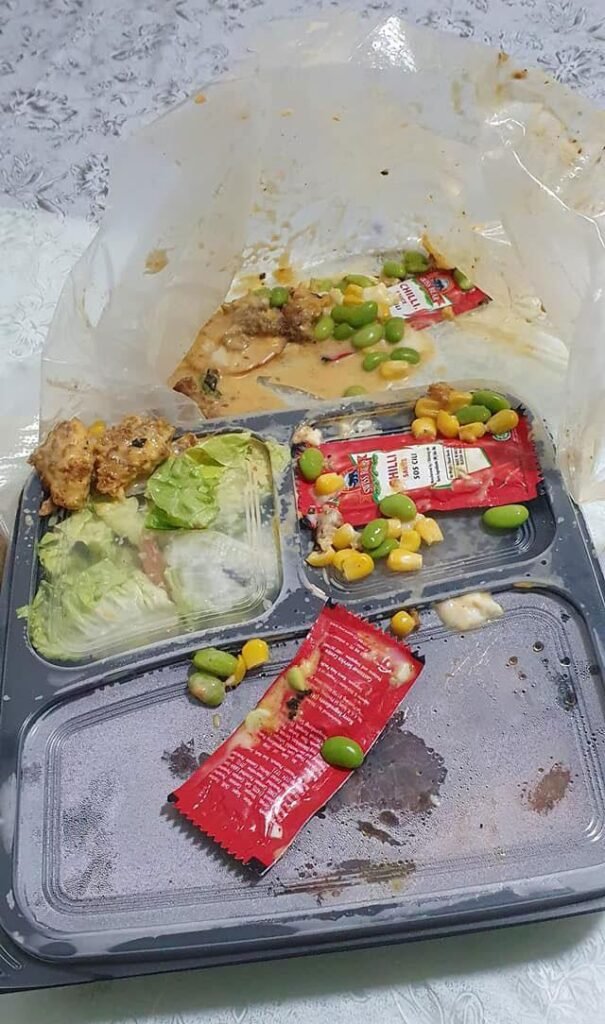
But somehow, your lunch still ends up leaking.
If you’ve ever wondered why do food containers leak even when closed, you’re not alone.
It’s one of the most common kitchen frustrations — especially when your lunch box leaks in bag without any obvious reason, even if you’re already using space-saving storage containers.
Why Do Food Containers Leak Even When Closed?
Food containers leak even when closed because the seal is not truly leak-proof, pressure builds up inside (especially with hot food), and movement during transport forces liquid through small gaps. Over time, worn-out silicone gaskets and poor container design make the problem worse.
In many cases, people assume an airtight lid is enough — but airtight does not always mean leak-proof.
Some are designed to store dry food and keep air out, while others are built to prevent liquid from escaping under pressure and movement. This difference is often overlooked, especially when using containers mean for dry storage and pantry organization.
For example:
- A container may trap air (airtight)
- But still fail to hold liquid under pressure or movement
This is why even a tightly closed container can still leak in a bag, especially when:
- carrying soups or sauces
- placing it sideways
- or packing it with other items that add pressure
Understanding this difference is key to choosing the right container and avoiding leaks completely.
Common Reasons Food Containers Leak
1. The Lid Isn’t Actually Sealed
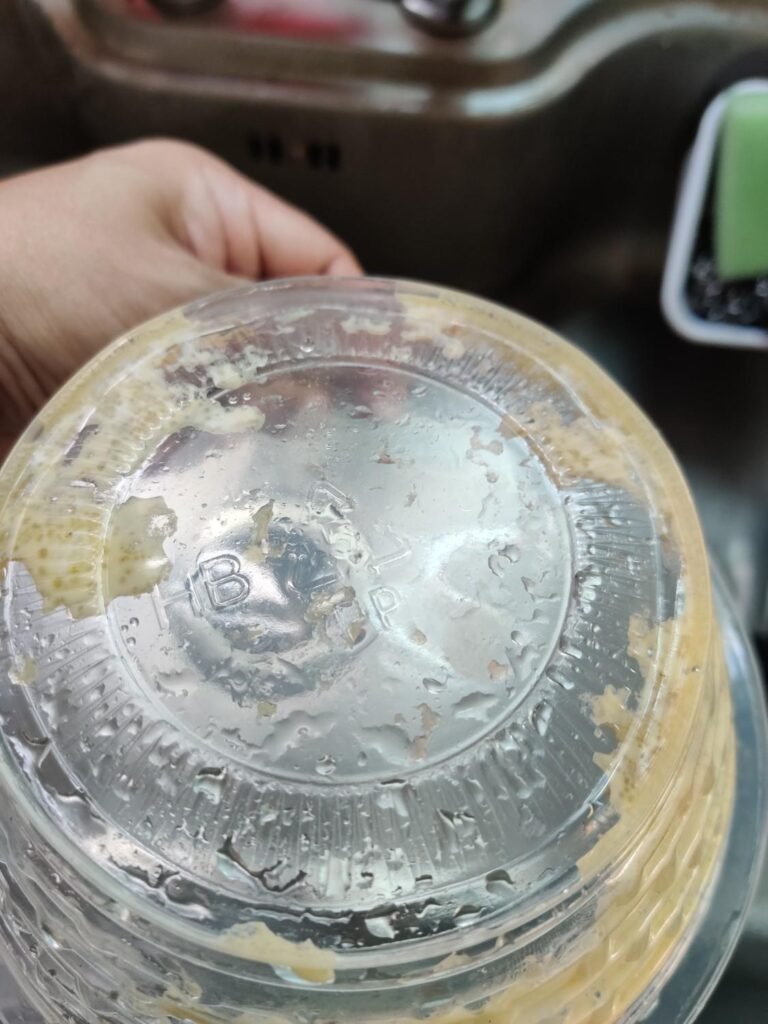
One of the biggest reasons why do containers leak is that the lid doesn’t seal the way you think it does.
Even if it feels tight, many containers are not truly airtight or leak-proof — and those are two very different things.
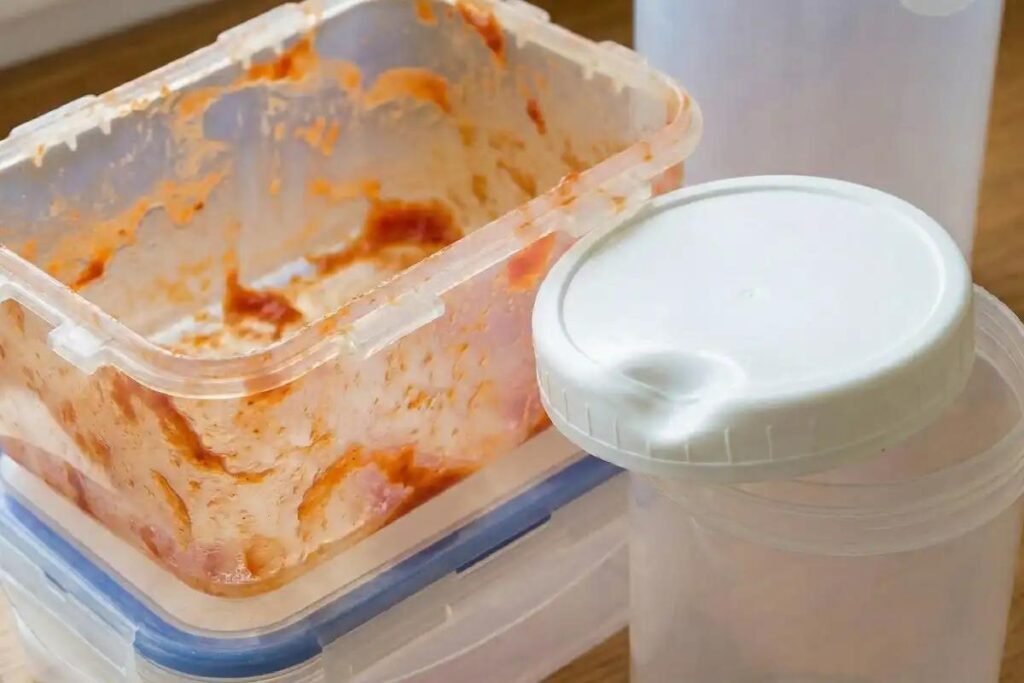
That’s why an airtight container still leaks when it’s tilted or shaken.
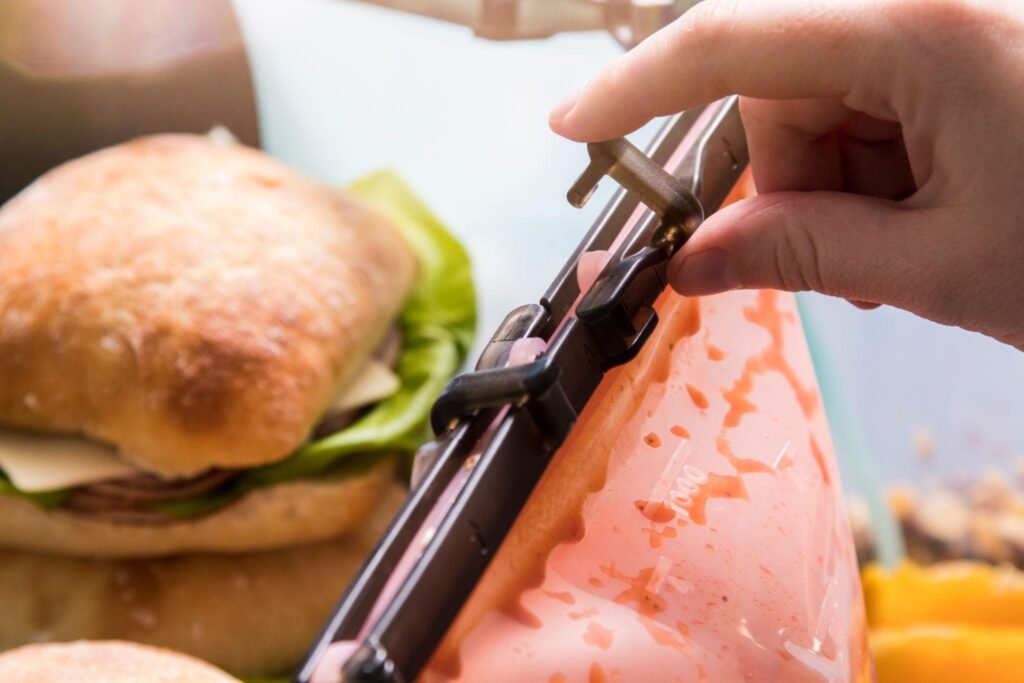
If your container lid not sealing properly, even tiny gaps can let liquid escape — especially during movement, which is why many people switch to containers designed to prevent leaks during transport.
2. Pressure Builds Up Inside
Another overlooked reason why do food containers leak even when closed is internal pressure.
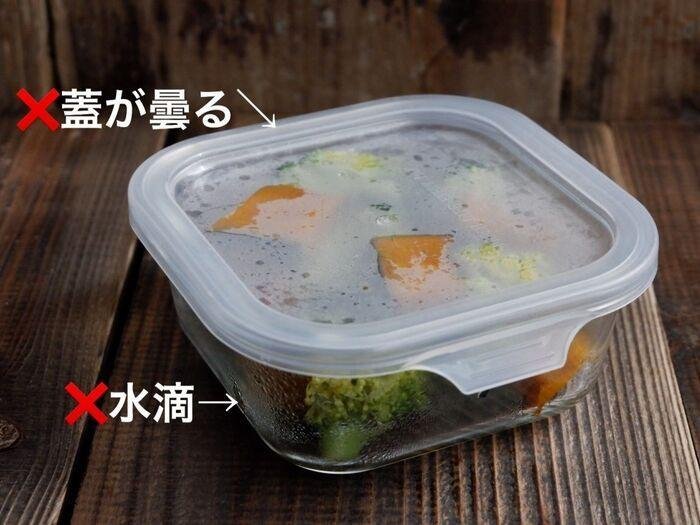
When you store hot food, steam builds up inside the container.
That pressure pushes liquid out through weak points in the seal — which is why leaks often happen when containers are tightly closed, especially if you’re not aware of how pressure builds up inside sealed containers.
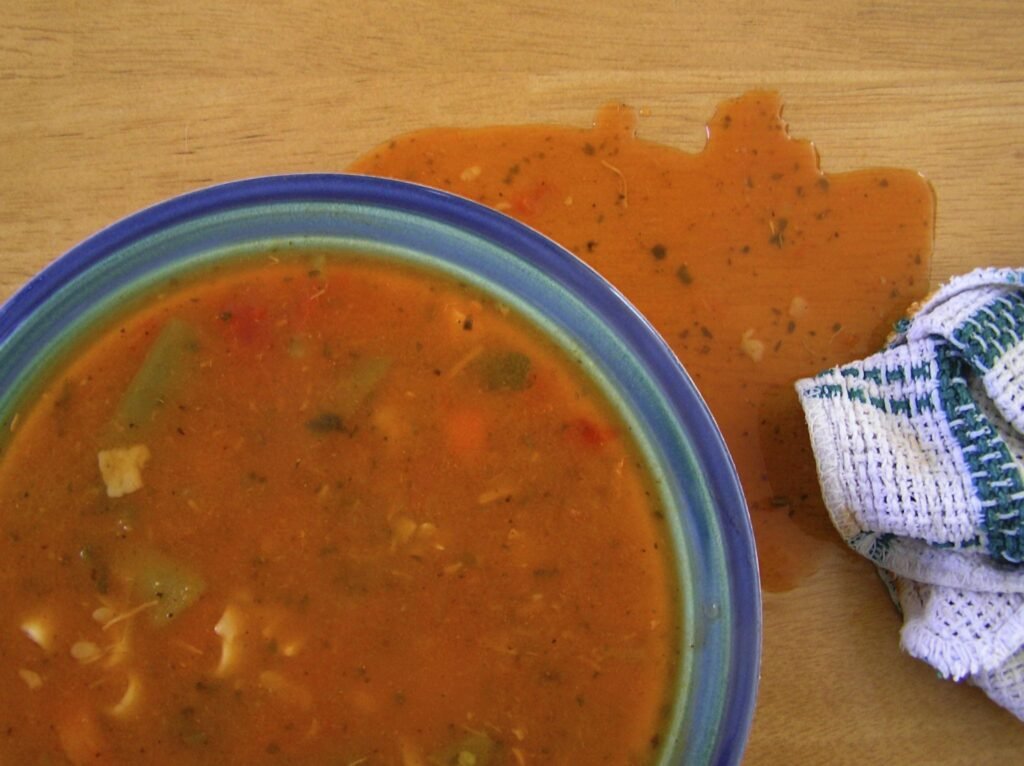
This explains why soup leaking from container is so common — especially if you’re not using containers built specifically for soups and liquid meals.
3. The Seal Wears Out Over Time
Over time, seals degrade.
A food container seal worn out means the lid no longer fits tightly, even if it looks fine.
This is a major reason why plastic containers leak, especially after repeated use and washing.
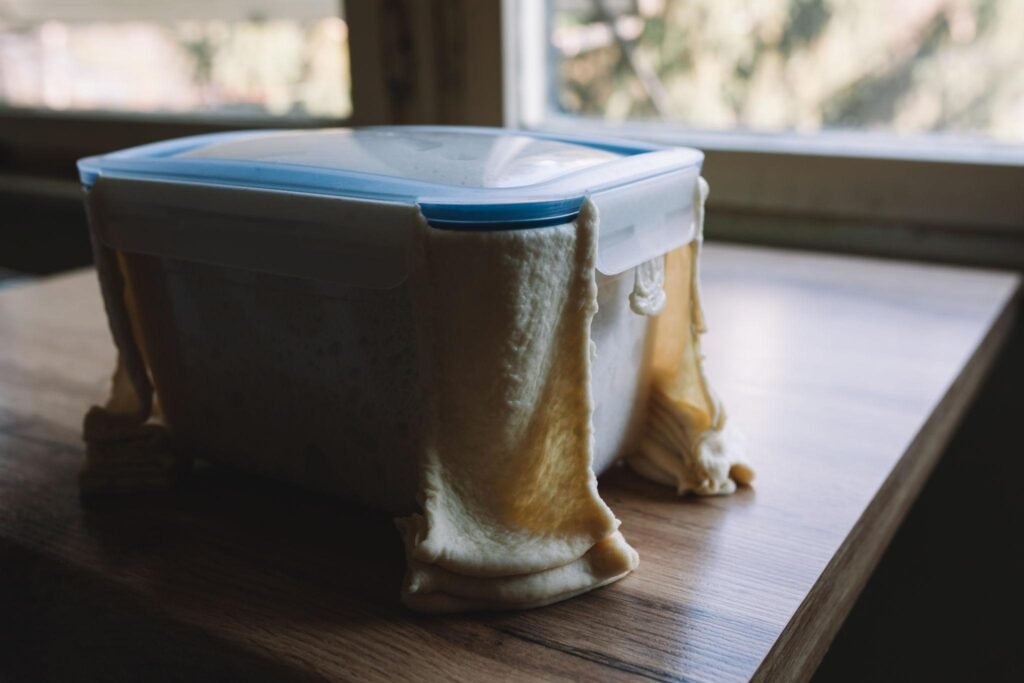
At first, the leak is small — but eventually, your container leaking in backpack becomes a regular problem.
4. The Container Isn’t Designed for Liquids
Not all containers are built for liquids.
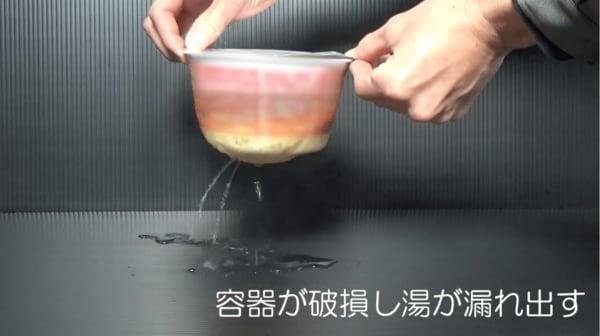
Using the wrong type is one of the most common causes of liquid leaking from food container issues.
For example:
- Thin plastic containers
- Loose snap lids
- No silicone gasket
These designs fail quickly with sauces or oils — leading to oily food leaking container problems, which is why many people prefer containers that handle oily or greasy foods properly.
5. Movement and Position Matter
Even a good container can leak if it’s handled poorly.
When containers tilt, shake, or get compressed inside a bag, pressure shifts and forces liquid out.
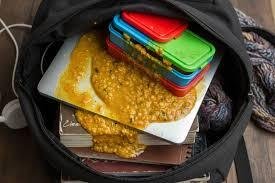
This explains:
- containers leak when tilted
- meal prep containers leaking during transport
- why your lunch box leaks in bag but not on the table
What This Means in Practice
At this point, it’s clear the issue isn’t just “bad containers.”
Most leaks happen due to a combination of:
- weak seals
- wrong container type
- internal pressure
- movement during transport
Understanding why containers leak is the first step to fixing the problem properly.
How to Stop Food Containers from Leaking
If you want to reduce leaks, focus on a few key habits:
- let hot food cool before sealing
- avoid overfilling containers
- check seals regularly
- keep containers upright when possible
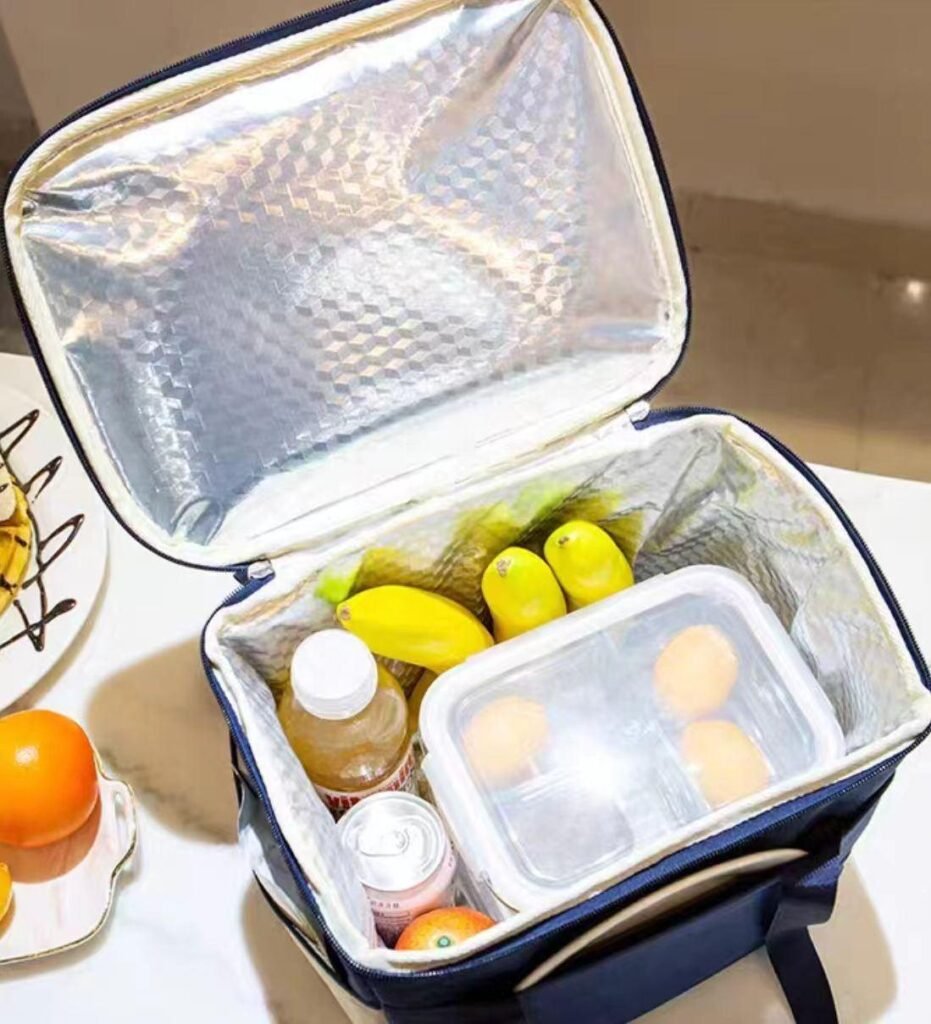
These simple changes can significantly reduce food leaks in lunch bag situations.
But here’s the truth:
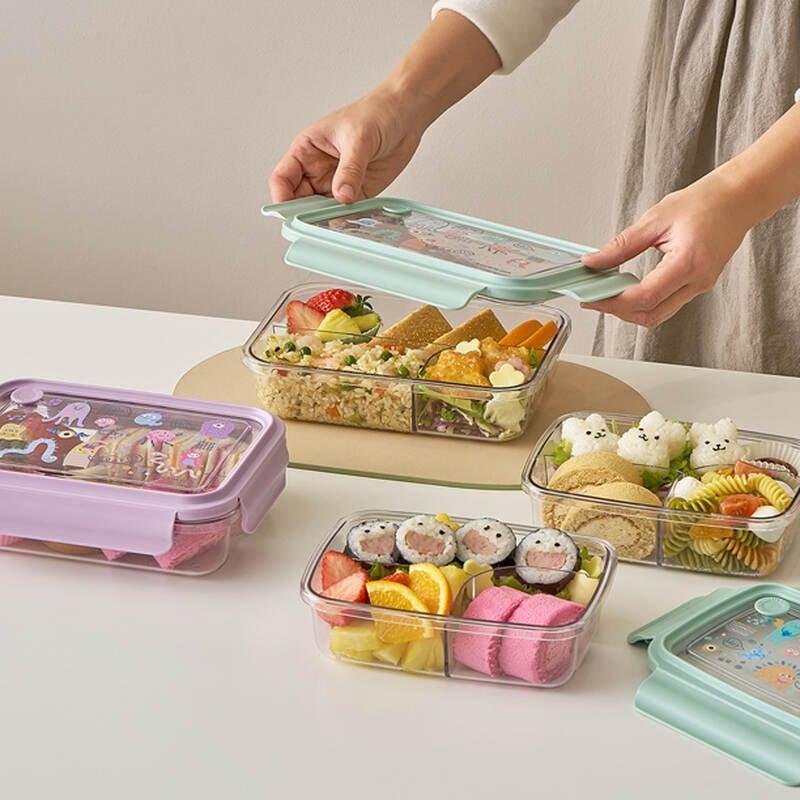
If you’re doing everything right and still dealing with leaks, the problem is usually the container itself — not how you use it. That’s why switching to reliable leak-proof containers for daily use often makes the biggest difference.
Containers that are not designed to be leak-proof will eventually fail, no matter how careful you are.
Final Thoughts
If you’ve ever experienced a leaking lunch, you know how frustrating it can be.
The reason why do food containers leak even when closed usually comes down to design, pressure, and wear — not just whether the lid is closed.
Once you understand how seals, pressure, and movement work together, it becomes much easier to fix the issue and finally stop food containers from leaking for good — especially when you start choosing the right type of containers for each situation.